Welcome to Diagnostics Edge – your premier source for up-to-date, cutting-edge knowledge in diagnostics, laboratory medicine, and pathology. Our platform is dedicated to sharing the latest advancements, research breakthroughs, and expert insights that shape the future of healthcare. Stay informed and inspired as we explore the innovations driving precision medicine and laboratory excellence.
Diagnostics and Laboratory Medicine
Diagnostics and laboratory medicine form the foundation of modern healthcare, offering the critical insights needed to guide approximately 60–70% of clinical decisions. These fields are instrumental in identifying, monitoring, and managing diseases, ensuring that patients receive precise and effective care tailored to their unique needs.
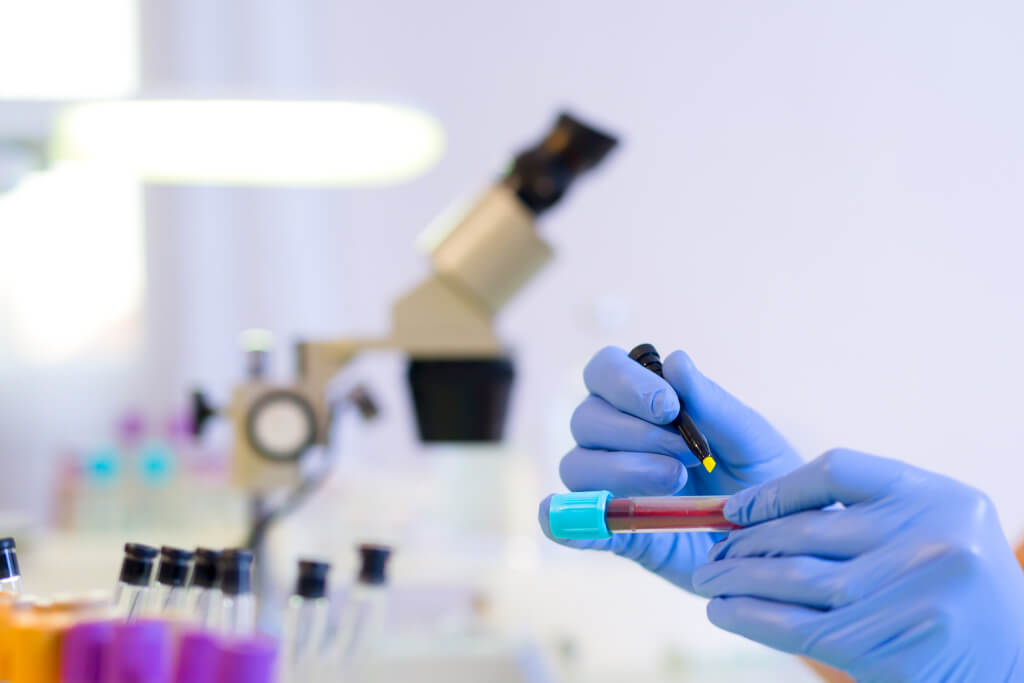
Laboratory medicine is the practice of analyzing samples such as blood, tissue, urine, and other bodily fluids to obtain critical information about a patient’s health. It spans a vast array of specialties, including clinical chemistry, hematology, microbiology, immunology, molecular diagnostics, and transfusion medicine. This interdisciplinary field plays a pivotal role in all stages of patient care—from prevention and diagnosis to treatment monitoring and prognosis assessment.
What is Diagnostics?
Diagnostics is the science that powers clinical laboratory medicine and pathology, driving the innovations that underpin modern healthcare. It is the field dedicated to developing and refining the tests and tools that clinicians rely on to detect, diagnose, and monitor diseases. At its core, diagnostics bridges the gap between cutting-edge scientific discovery and practical medical application, transforming complex biological insights into actionable clinical data. Every test performed in a clinical laboratory or pathology department is the result of rigorous diagnostic science, making it the heartbeat of laboratory medicine and pathology.
In an era marked by the rapid evolution of precision medicine, laboratory diagnostics have become pivotal in enabling personalized treatment strategies. By uncovering the genetic, molecular, and biochemical signatures of diseases, laboratory medicine allows for earlier, more accurate diagnoses and empowers clinicians to deliver timely interventions that significantly improve patient outcomes and quality of life.
Technological advancements in molecular diagnostics, imaging, and analytical methods have revolutionized the capabilities of laboratories worldwide. These innovations enable the detection of a vast spectrum of diseases with unprecedented accuracy, ensuring that healthcare systems can address both common and rare conditions effectively. From routine screenings to cutting-edge genomic profiling, the impact of laboratory medicine extends across every corner of healthcare.
Diagnostics and laboratory medicine not only enhance clinical decision-making but also play a vital role in shaping the future of healthcare delivery. Through the integration of automation, artificial intelligence, and advanced bioinformatics, laboratories are driving efficiency and precision in patient care. Their contribution underscores the critical need for continued investment and innovation to meet the growing demands of global health systems.
As the cornerstone of healthcare, diagnostics and laboratory medicine provide the data-driven foundation for a healthier, more informed world—paving the way for transformative medical breakthroughs and improved quality of life for patients everywhere.
 Diagnostics Edge