In a recent AMA Update interview, Dr. Margaret Lozovatsky, Vice President of Digital Health Innovations at the American Medical Association, highlighted key health care technology trends anticipated by 2025. The discussion showcased transformative advancements that are shaping healthcare, including Artificial Intelligence (AI), wearable technology, and telehealth.
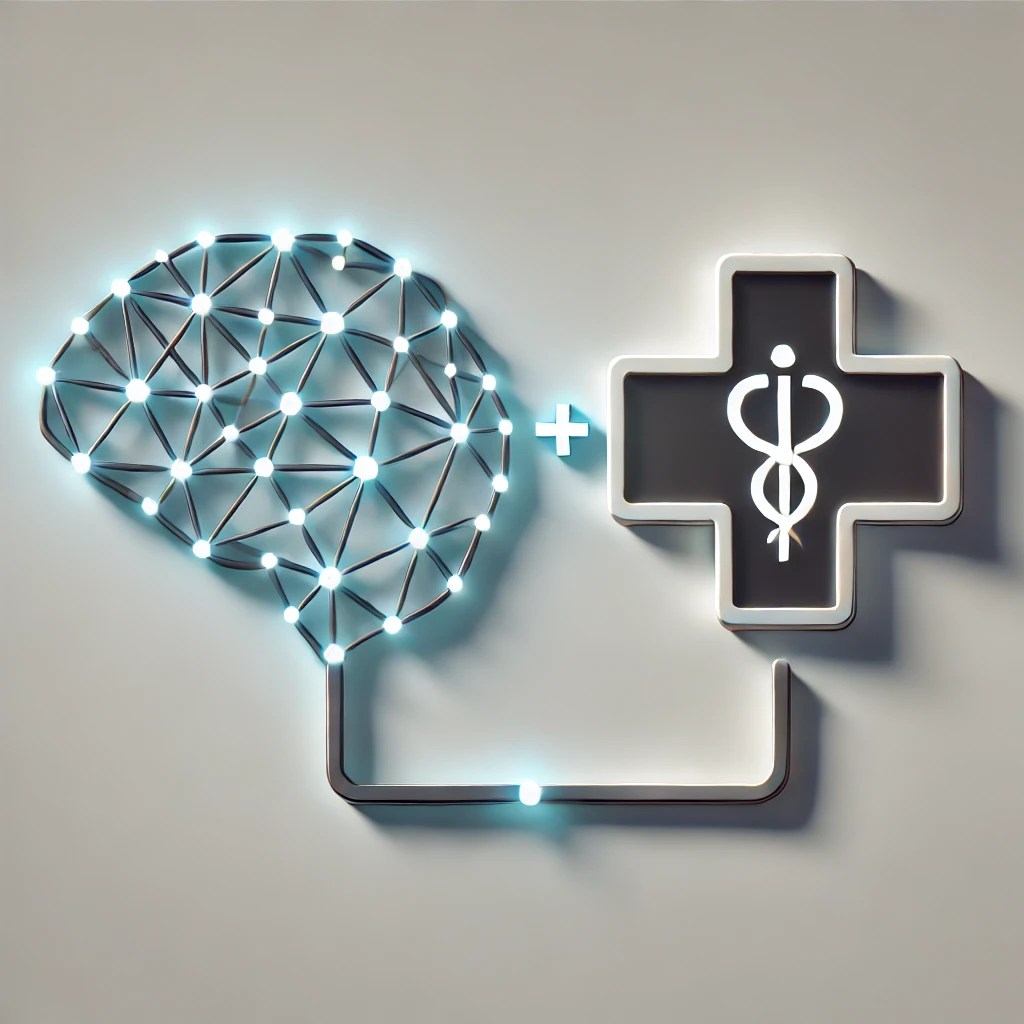
Artificial Intelligence (AI) is revolutionizing healthcare in multiple ways. One of its key contributions is enhanced diagnostic accuracy. By analyzing complex medical data, AI aids in early disease detection and helps create personalized treatment plans tailored to individual patient needs. Additionally, AI streamlines administrative tasks, reducing the burden on healthcare professionals. This efficiency not only mitigates physician burnout but also allows clinicians to devote more time to patient care.
Wearable technology and remote patient monitoring (RPM) are also driving significant change. These tools are instrumental in managing chronic diseases, enabling real-time monitoring that empowers clinicians to take timely and proactive measures. Beyond their role in chronic care, wearables engage patients in actively managing their health, fostering better outcomes through increased awareness and participation.
Telehealth is another area experiencing rapid growth, dramatically improving accessibility to care for patients in remote or underserved areas. This expansion bridges geographical gaps and ensures more equitable healthcare delivery. Furthermore, the integration of telehealth with traditional care models offers a seamless and continuous patient care experience, making healthcare more comprehensive and efficient.
Dr. Lozovatsky emphasized that these innovations have the potential to transform healthcare delivery, improve patient outcomes, and enhance the overall efficiency of health systems, marking a new era of progress in medicine.
Can AI Fully Replace Human Experts?
While AI offers immense advantages, its reliance also brings significant challenges, underscoring why human expertise remains indispensable. AI excels in processing vast datasets quickly, delivering timely diagnostic interventions with remarkable efficiency and speed. It reduces human error by identifying complex patterns and facilitates early detection of health issues through predictive analytics. By automating repetitive tasks, AI optimizes workflows, allowing healthcare professionals to focus more on patient care and strategic decision-making.
However, there are critical limitations to consider. AI lacks the empathy, context, and ethical reasoning required for complex clinical judgment. Deciding the best course of treatment often requires a holistic understanding of a patient’s unique circumstances, something only human clinicians can provide. Additionally, AI systems are only as good as the data they are trained on. Incomplete or biased datasets can lead to diagnostic inaccuracies, particularly in underserved populations or rare conditions.
Adaptability is another area where humans outshine AI. While AI systems require extensive reprogramming to address novel scenarios, human experts can rapidly adjust to unforeseen challenges, such as emerging diseases. Trust and accountability further emphasize the need for human involvement. Patients value the empathy and reassurance provided by clinicians, which AI cannot replicate. Moreover, assigning responsibility for AI-driven errors introduces complex ethical and legal dilemmas. Lastly, the integration of AI raises concerns about privacy, security, and the ethical handling of sensitive patient data, highlighting the need for vigilant oversight.
Conclusion
AI is undeniably a game-changer in diagnostics, offering speed, precision, and efficiency. However, it cannot replace the human touch, ethical judgment, or adaptability that healthcare professionals bring. The future of diagnostics lies in collaboration—leveraging the strengths of both AI and human expertise to deliver optimal patient care.
What’s your perspective? Can AI ever truly replace human experts, or should we focus on collaboration between humans and machines? Let’s discuss!
Link to the full AMA interview: Health care technology trends 2025
 Diagnostics Edge
Leave a comment